Insights & Resources
Practical guidance on emotional intelligence, coaching techniques, leadership development, and building thriving workplace cultures.


Building Team Resilience Through Emotional Intelligence
Team resilience isn't about toughness or bouncing back. It's about how teams process adversity together - and that process depends on shared emotional competencies.

How EQ Transforms Your Relationships (All of Them)
The same EQ skills that make you a better partner make you a better colleague, friend, and parent. Gottman's research reveals the mechanics behind relationships that last.

Building Psychological Safety: Edmondson's Research Made Practical
Psychological safety is the most important predictor of team performance. But knowing that and building it are two very different things.

Toxic Positivity at Work: When 'Good Vibes Only' Backfires
Encouraging a positive attitude is one thing. Suppressing genuine emotions under a veneer of cheerfulness is something else entirely - and the research shows it's harmful.

The Leader's Guide to Preventing Team Burnout (Starting with Your Own)
Burnout isn't just about workload. Maslach's research identifies six organizational drivers - and leaders have more influence over them than they think.

Perfectionism Through an EQ Lens
Perfectionism isn't about high standards. It's about the fear behind them. Understanding this distinction - and building self-compassion as a counter - changes everything.

Five Coaching Skills Every Manager Should Steal from Professional Coaches
You don't need a coaching certification to coach your team effectively. These five evidence-based skills are the ones that actually move the needle.

How to Run Emotionally Intelligent Meetings
The difference between a meeting that drains people and one that energizes them has almost nothing to do with the agenda. It's about how emotions are managed.

Can You Actually Develop EQ? What the Research Says
The 'nature vs nurture' debate for emotional intelligence has been settled. Here's what longitudinal studies and neuroscience reveal about EQ development.
The Science Behind EQ Assessments: What Makes Them Valid?
Not all EQ assessments are created equal. Here's how to tell a rigorous instrument from a glorified personality quiz, and why the measurement method matters.

The Science of Gratitude: Beyond 'Just Be Thankful'
Gratitude practices work - but not the way most people do them. The research points to specific approaches that produce real benefits, and common pitfalls that undermine them.

How to Measure Emotional Intelligence (And Why It's Tricky)
EQ assessments range from rigorous to questionable. Here's how to evaluate what you're actually measuring and whether the results mean anything.

Building a Coaching Culture in Your Organization
A coaching culture isn't about hiring more coaches - it's about changing how people talk to each other. Here's what that looks like in practice.

Why Organizational Change Fails Without Emotional Intelligence
70% of change initiatives fail. The usual explanations focus on strategy and execution. The real problem is almost always emotional.
Cross-Functional Collaboration: The EQ Skills That Make It Work
Cross-functional teams fail more often than same-function teams. The gap isn't skill or strategy - it's the emotional intelligence needed to bridge different worldviews.

Leading Through Uncertainty: The EQ Skills That Matter Most
When the path forward is unclear, the emotional skills of leadership become more important than the strategic ones. Here's what the research prioritizes.
Growth Mindset and EQ: What Dweck's Research Means for Emotional Development
Carol Dweck's growth mindset research applies to emotional skills, not just academic ones. The belief that emotions are controllable changes how effectively people regulate them.

A Guide to Understanding (and Working with) Your Emotional Triggers
Emotional triggers aren't random. They follow patterns, they have origins, and they can be mapped. Here's how to work with them instead of being controlled by them.

EQ vs IQ: Why the Debate Misses the Point
The question isn't whether EQ or IQ matters more. The research shows they serve different functions - and the interaction between them is what predicts success.

Why People Resist Coaching (and How to Get Past It)
Resistance to coaching isn't irrational - it's usually self-protective. Understanding the specific barriers helps you move through them rather than fighting them.

Emotional Regulation Under Pressure: Techniques That Actually Work
When stress hits, most emotional regulation advice falls apart. Here are the strategies backed by neuroscience for high-pressure moments.

What High-Performing Teams Do Differently (An EQ Perspective)
Google's Project Aristotle revealed that the best teams aren't built from the best individuals. The differentiator is emotional dynamics, not technical talent.

The Connection Between EQ and Inclusive Leadership
Diversity initiatives often stall because they focus on policies instead of the interpersonal skills that actually create inclusion. EQ is the missing link.

What We Actually Know About Burnout: A Research Update
Burnout isn't just 'being really tired.' The research has advanced significantly since Maslach's original framework, and the implications for prevention are different than most people think.

Setting Boundaries Is an EQ Skill, Not a Selfish Act
Boundaries aren't walls. They're the foundation of sustainable relationships and authentic connection - and setting them well requires genuine emotional intelligence.

Giving Feedback That Actually Lands: An EQ Approach
Most feedback fails not because of the content but because of the delivery. Here's how emotional intelligence transforms feedback from dreaded to developmental.

How to Find the Right Coach (and Know When It's Working)
Coach fit matters more than credentials. Here's what research says about finding the right match and the early signals that tell you whether coaching is working.

The Three Types of Empathy and Why You Need All of Them
Empathy isn't a single skill. It's three distinct capabilities - and overrelying on any one of them creates predictable problems.

Rethinking Onboarding: The Emotional Experience Nobody Talks About
New hires don't just need a laptop and a login. They need to feel like they belong - and most onboarding programs completely ignore this.

How to Have Difficult Conversations Without Destroying Trust
Most leaders either avoid hard conversations or handle them poorly. The Stone, Patton, and Heen framework offers a better path - here's how to use it.

Navigating Team Conflict: From Destructive to Productive
Some conflict helps teams perform better. Some conflict destroys them. The research on what separates the two is more specific than you might expect.

Understanding Your Stress Response Patterns
Fight, flight, freeze, fawn - your stress response isn't random. Understanding your default pattern is the first step toward choosing a different one.

Emotional Contagion: The Science of How Emotions Spread
Emotions spread between people faster than ideas. Understanding this mechanism changes how you think about leadership, team dynamics, and your own influence.
Conflict Resolution at Work: Moving from Avoidance to Engagement
Most workplace conflict isn't resolved. It's avoided until it escalates. The Thomas-Kilmann model offers a better framework - if you use it honestly.

The ROI of Coaching: What the Numbers Actually Show
Everyone claims coaching has massive ROI. Here's what the research actually says - including the studies that are less flattering than the headlines suggest.

Why Self-Awareness Is the Foundation of Every Other EQ Skill
Research shows 95% of people think they're self-aware, but only 10-15% actually are. That gap explains a lot about why EQ development stalls.

The Mechanics of Trust-Building in Teams
Trust isn't a vibe - it's a set of behaviors that either build or erode it, meeting by meeting. Here's the specific mechanics of how trust works in teams.

Why Your Emotional Vocabulary Matters More Than You Think
The words you use to describe your emotions don't just reflect what you feel - they actively shape your emotional experience. Lisa Feldman Barrett's research explains why.
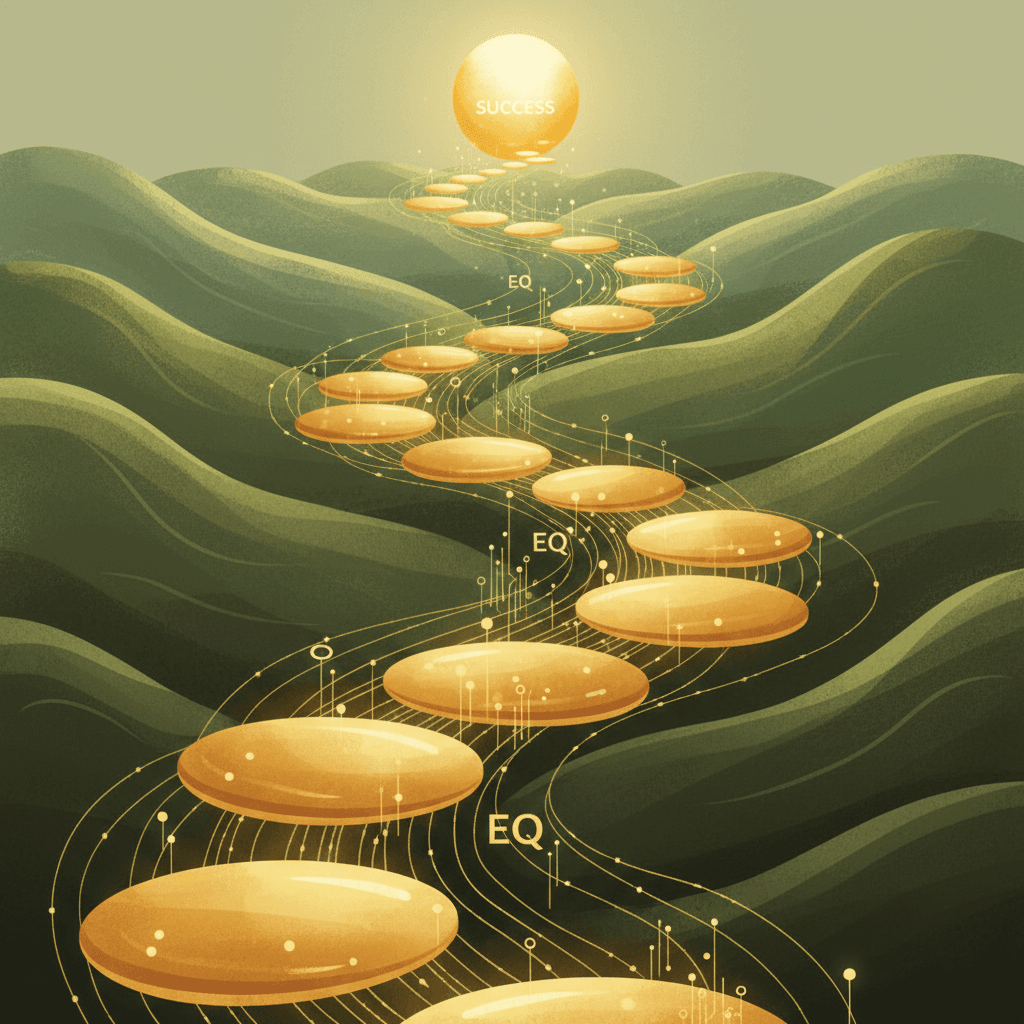
Does EQ Really Predict Success? An Honest Look at the Evidence
The claim that EQ matters more than IQ makes for great headlines. The actual research is more nuanced - and more interesting - than the soundbites suggest.

The Hidden EQ Challenges of Remote Work (and How to Solve Them)
Remote work didn't just change where we work. It fundamentally altered how we read, express, and respond to emotions - and most teams haven't adapted.
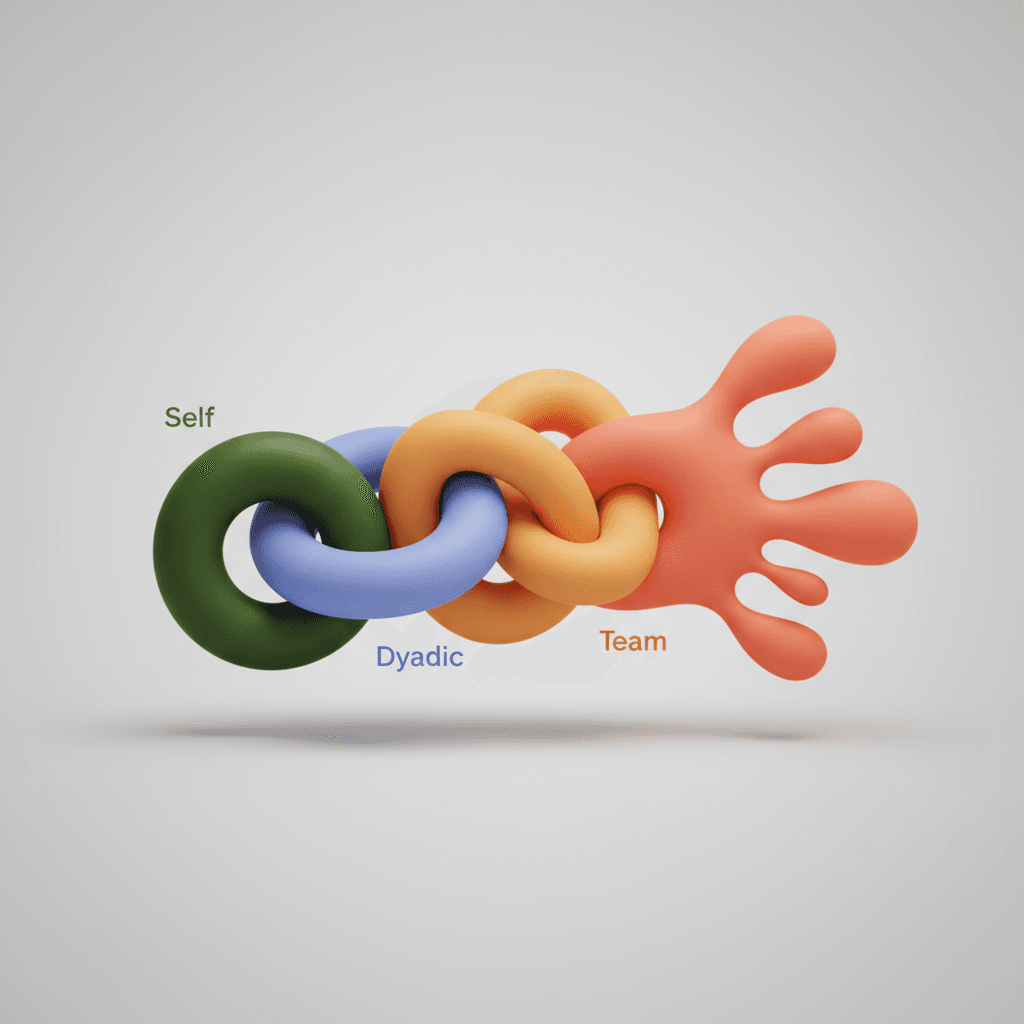
The Four Domains of EQ: Self, Dyadic, Team, and Organizational
Most EQ models stop at the individual. Here's why that's a problem - and how a four-domain framework gives you the full picture.

AI Coaching vs Human Coaching: When to Use Which
AI and human coaching aren't competitors - they're complementary tools with different strengths. Here's how to think about when each approach works best.

What Emotionally Intelligent Leadership Actually Looks Like
Emotionally intelligent leadership isn't about being warm and approachable. It's a specific set of observable behaviors that drive team performance.

Team Emotional Intelligence: Why Individual EQ Isn't Enough
A team of emotionally intelligent individuals doesn't automatically make an emotionally intelligent team. Group-level EQ requires its own norms and practices.
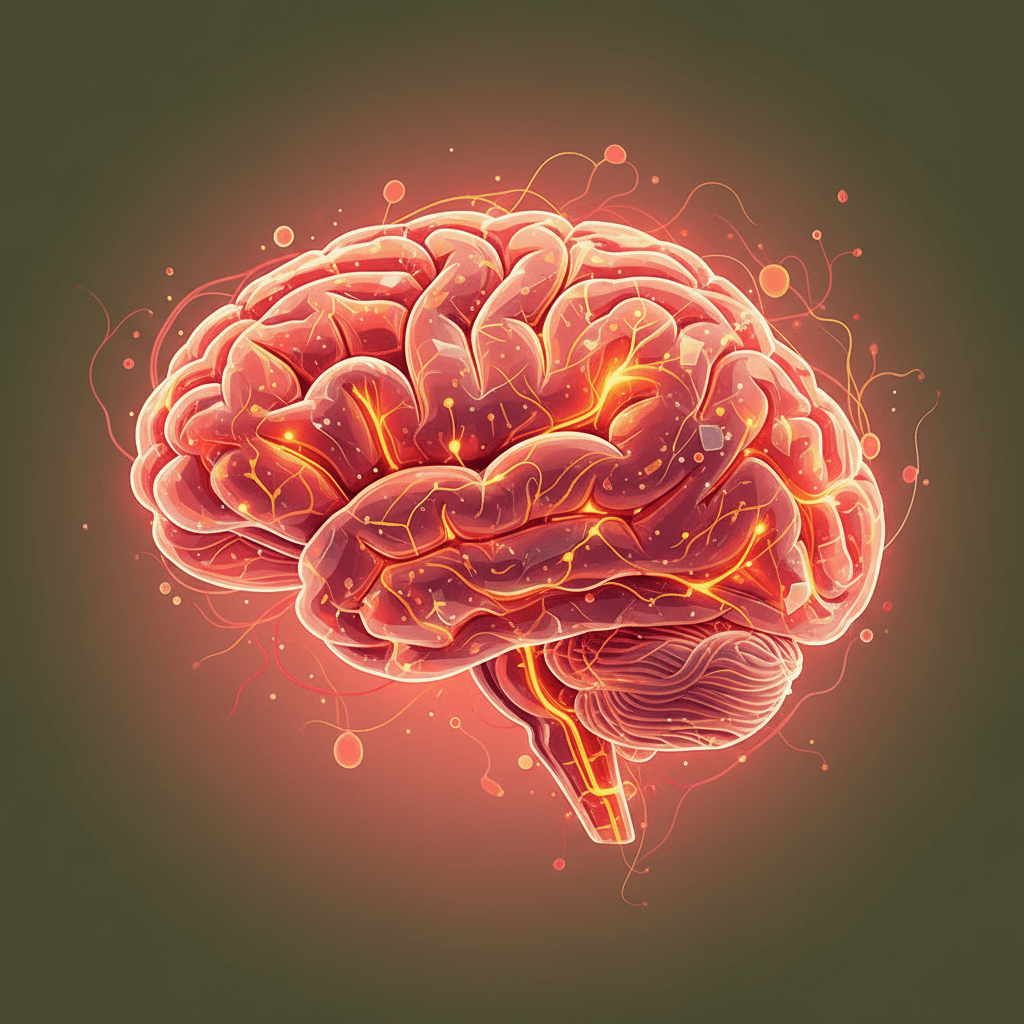
The Neuroscience of Emotional Intelligence
Emotional intelligence isn't abstract - it has a physical basis in brain structures and neural pathways that are more changeable than most people realize.

Journaling for Emotional Awareness: A Structured Approach
Journaling works - the research is robust. But 'write about your feelings' isn't enough structure for most people. Here's an evidence-based approach that actually builds emotional intelligence.

What Does an Emotionally Intelligent Workplace Actually Look Like?
Emotionally intelligent workplaces aren't built on ping-pong tables and free snacks. Here's what the research says actually matters.

What Is Emotional Intelligence? A Practical Guide Beyond the Buzzword
Emotional intelligence is one of the most misunderstood concepts in psychology. Here's what the research actually says - and how to put it to work.

What to Expect from EQ Coaching (and What It Can't Do)
EQ coaching isn't therapy, and it won't fix everything overnight. Here's an honest look at what the process actually involves and where it genuinely helps.